
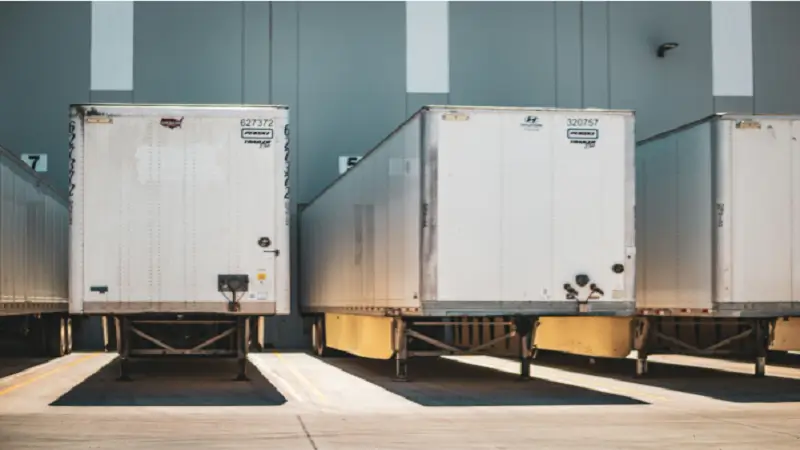
Trying to move a refrigerator, piles of lumber, or heavy landscaping machines with a personal vehicle can become a very bad idea fast. Many people later end up spending money on scratched paint, damaged suspension, torn upholstery, sometimes even broken glass. In some situations, repair costs become more expensive than the items being transported themselves.
For transporting oversized cargo safely, your SUV or car should not be treated like a professional work truck. Contractors and moving workers usually avoid damage because correct equipment gets used, also proper loading methods are followed carefully. This guide will show different ways to protect your vehicle while moving large and heavy items safely.
1. Avoid Too Much Weight on the Suspension
Every vehicle has something called Gross Vehicle Weight Rating (GVWR). Usually, this information can be found around the driver-side door jamb. The number explains how much total weight the vehicle safely handles, including fuel, passengers, and cargo together.
Many drivers throw several hundred pounds of flooring material or concrete bags into a sedan trunk without much thinking. Because of that, shocks may bottom out, tires can fail suddenly, and transmission stress becomes very high. If the rear side of the vehicle starts sitting lower than normal and headlights point upward, most likely the safe limit has already got exceeded. Driving in that condition becomes risky.
2. Protect the Interior from Dirt and Scratches
A lot of people think old blankets are enough for protecting leather seats or plastic trim. In reality though, heavy cargo shifts during transportation very easily. Thin household fabric tears much faster than expected too.
Plywood Sheets
If machinery or heavy furniture must be placed inside an SUV, putting a plywood sheet underneath helps significantly. The weight spreads more evenly this way, also sharp furniture legs do not dent the flooring area easily.
Moving Pads
Professional moving pads perform much better compared with ordinary blankets from home. They are thicker, stronger, and designed for absorbing impacts during moving jobs.
Plastic Stretch Wrap
Greasy or dusty equipment should be wrapped before loading begins. Stretch film keeps dirt, oil, and stains away from carpets and seats, which are usually difficult and expensive to clean later.
3. Using the Roof Can Become Dangerous
Without a professionally installed roof rack supporting higher weight capacity, oversized cargo should not be tied directly onto the roof. Modern vehicle roofs are thinner than many people realize. Even carrying a mattress or kayak may leave dents sometimes.
Another mistake happens commonly when ropes pass through open doors. Rubber weather seals can get damaged that way, later causing water leaks and loud wind noise while driving. If roof racks are being used, the cargo must stay balanced correctly, and all straps should match proper weight ratings.
4. Utility Trailers Are Better for Heavy Loads
One of the safest methods for avoiding vehicle damage is keeping heavy cargo outside the vehicle completely. Utility trailers place weight onto their own axle system instead of forcing the car suspension to carry everything.
Trailers also make moving awkward or tall items easier, especially things that normally never fit through a trunk opening. Around the Seminole area, Sniper Rentals offers different trailer options helping people move heavy equipment safely without damaging personal vehicles. Renting a trailer for one day often costs far less compared with repairing cracked windows, damaged paint, or bent tailgates afterward.
5. Secure the Cargo Correctly
A shifting load during driving becomes extremely dangerous. Heavy objects moving around inside the vehicle can strike windows, side panels, or seats, causing expensive damage internally.
Ratchet Straps Instead of Bungee Cords
Heavy cargo should never rely only on bungee cords. They stretch too much, sometimes snapping backward violently, which may lead to injuries or paint damage. Ratchet straps of high quality work much better. Tighten them firmly until movement stops completely, but avoid excessive pressure because fragile cargo can still get crushed. After driving the first mile, checking straps again is important since loads often settle and loosen slightly.
6. Change the Way You Drive
Vehicles handle differently whenever heavy loads are carried. Braking distance becomes longer, while the center of gravity also changes noticeably.
Take Wider Turns
When pulling a trailer, remember it follows a shorter corner path compared with the towing vehicle. Wider turns help avoid curbs and roadside obstacles.
Reduce Speed
Driving too fast increases wind resistance against oversized items. This may create vibrations or lifting movement, putting additional stress onto tie-down straps.
Leave More Space Ahead
Heavy cargo creates more pressure on the braking system, especially during sudden stops. Keeping double the usual following distance gives safer stopping space and more reaction time.
Conclusion
Transporting large items does not always need to end with expensive repair bills or vehicle damage. Respecting vehicle weight limits, protecting interior surfaces carefully, and using trailers whenever necessary can prevent many problems before they happen.
For most people, a vehicle is among the most expensive possessions they own. Risking thousands of dollars in cosmetic or mechanical repairs just to save a little time usually makes no sense. If a load already looks too large for the car, probably it truly is. Using proper hauling equipment remains the safer and smarter solution for protecting both cargo and vehicle.See More